
Industry Knowledge
2026-09-01 14:19:46
In cyanide solutions:
- Minerals such as azurite, bornite, and native copper exhibit dissolution rates of 90%–100%;
- Chalcopyrite and chrysocolla show minimal dissolution;
- Enargite and tetrahedrite, due to their arsenic and antimony content, consume large amounts of cyanide, making gold dissolution difficult.
The reason is that the dissolution of copper in cyanide solutions consumes significant quantities of cyanide and sometimes depletes dissolved oxygen.
To ensure an adequate gold leaching rate, the dosage of sodium cyanide must be increased.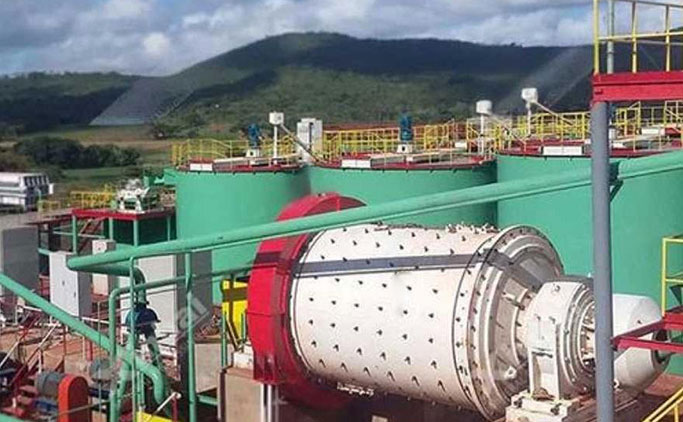
Additionally, dissolved copper can form copper films or copper cyanide layers on the surfaces of gold and silver particles; this passivates the gold surface, slows down the dissolution rate, and consequently impairs gold leaching.
Therefore, when dealing with copper-bearing gold ore, it is essential to conduct preliminary beneficiation tests to identify the specific copper minerals and select the appropriate processing method.
Summary of Key Points
1. High-dissolution copper minerals: Azurite, bornite, and native copper; dissolution rates of 90%–100%; cause significant interference with the cyanidation process.
2. Low-dissolution copper minerals: Chalcopyrite and chrysocolla; exhibit low levels of dissolution.
3. Most problematic copper minerals: Enargite and tetrahedrite; contain arsenic and antimony; consume large amounts of cyanide.
4. Two major hazards of copper minerals
① They consume cyanide and dissolved oxygen, necessitating increased sodium cyanide dosage;
② They form copper films or copper cyanide layers on gold/silver surfaces, passivating the gold, reducing dissolution rates, and lowering leaching efficiency.
5. Process recommendation: For copper-bearing gold ore, conduct beneficiation tests beforehand to identify the copper mineral types and select the matching process.
chat online
Phone
24-Hour Hotline
Inquire Now

TOP