Industry Knowledge
2026-05-25 16:15:53
Key Principles for Steel Ball Grading: **Select ball diameters based on feed size; utilize a gradation of 3 to 5 different size specifications; adhere to the "larger in the middle, smaller at both ends" rule; maintain a filling ratio of 25%–35%; and replenish only with large-diameter balls.** Below, we provide a practical, ready-to-use methodology and set of proportions.
I. First: Select the Steel Ball Diameter (Crucial Step)
Empirical Formula: **D ≈ 28 × d** (where D = steel ball diameter, and d = maximum feed particle size, in mm)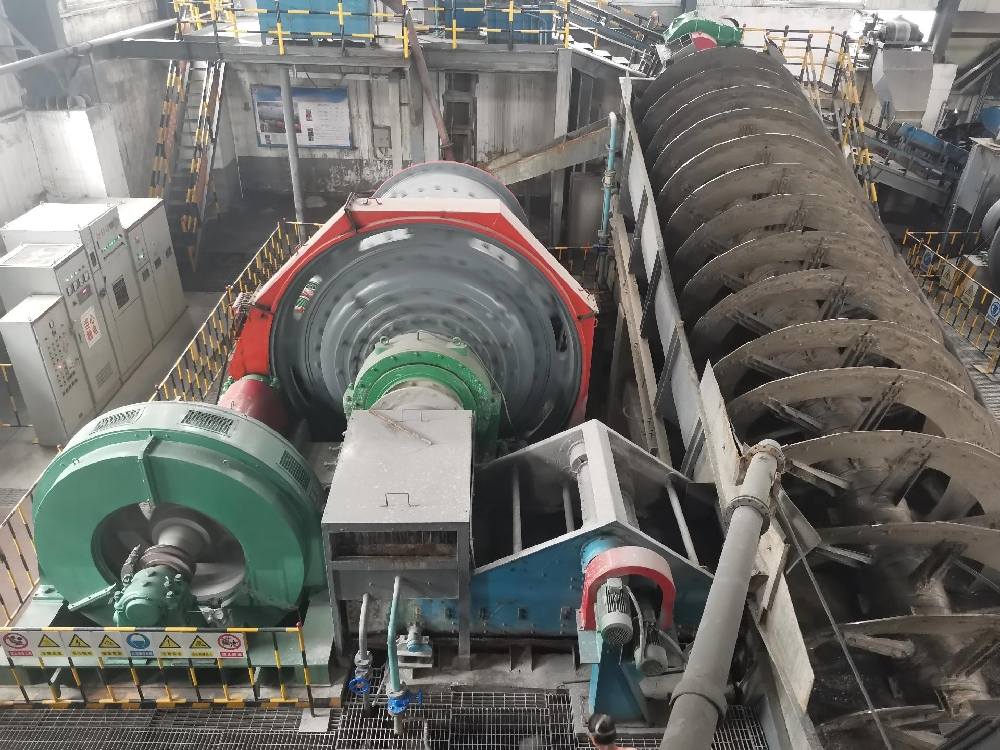
Common Correspondences:
- Feed size 20–25 mm → **φ80–90 mm**
- Feed size 10–20 mm → **φ60–70 mm**
- Feed size 5–10 mm → **φ40–50 mm**
- Feed size < 5 mm → **φ20–30 mm**
In short: **Coarse feed requires large balls; fine feed requires small balls. Hard materials require slightly larger balls; soft materials require slightly smaller balls.** II. Standard Ball Charge Schemes (3–5 sizes, by mass ratio)
1) Single-Compartment / Coarse Grinding (Most Common)
Large Balls (φ80–100 mm): **25%–35%** (Impact Crushing)
Medium Balls (φ50–70 mm): **40%–50%** (Primary Grinding)
Small Balls (φ20–40 mm): **15%–25%** (Fine Grinding / Gap Filling)
Typical Ratios: **3:5:2** or **3:4:3**
2) Double-Compartment (Coarse Front / Fine Rear)
- Front Compartment (Coarse Crushing): φ80 + φ60 + φ40 = **30:50:20**
- Rear Compartment (Fine Grinding): φ50 + φ30 + φ20 = **20:50:30**
3) 5 Sizes (Large Mills)
φ80 : φ60 : φ50 : φ40 : φ30 = **15:20:25:20:20**
III. Filling Rate (Ball Charge Quantity)
- Single-Compartment: **35%–40%**
- Double-Compartment (Front): **25%–30%**
- Double-Compartment (Rear): **30%–35%**
Estimated Ball Charge Quantity:
**Ws = 0.785 × Di² × L × 4.5 × φ** (Di = Inner Diameter in m; L = Length in m; φ = Filling Rate)
IV. Initial Loading and Replenishment Rules
1. Initial Loading: Load **70%–80%** of the total quantity initially; top up to full capacity after operation, based on the required product fineness.
2. Ball Replenishment (Key Principle): **Replenish only Large and Medium balls; do not replenish Small balls** (Small balls are naturally generated through the wear of the Large balls). - Makeup Ratio: Large : Medium = **3:4** or **2:3**
- Frequency: Once every **7–30 days** (depending on wear rate)
- Makeup Quantity: **1%–2%** of production capacity
3. Complete Cleanout: Once every **6–12 months**; classify by size and re-proportion the charge.
V. Common Issues and Adjustments
- Product is too coarse → **Increase the proportion of large balls / Increase the average ball diameter**
- Product is too fine; low throughput → **Add medium balls; reduce small balls**
- Grinding sound is muffled; high current → **Ball charge is excessive / Too many small balls**
- Grinding sound is sharp/crisp; low current → **Ball charge is insufficient / Too few large balls**
VI. Quick Reference Example (Common for Sand/Gravel & Ore)
Feed size ≤ 25 mm; Single-compartment mill:
- φ90 mm: 30%
- φ60 mm: 50%
- φ30 mm: 20%
Filling Rate: 35%; Makeup Balls: φ90 : φ60 = 3:4
chat online
Phone
24-Hour Hotline
Inquire Now

TOP