
Industry Knowledge
2026-06-05 10:05:50
Pulp density is a critical process parameter in flotation, primarily influencing flotation efficiency across five key dimensions: recovery rate, concentrate grade, reagent consumption, coarse-particle flotation, and fine-particle flotation.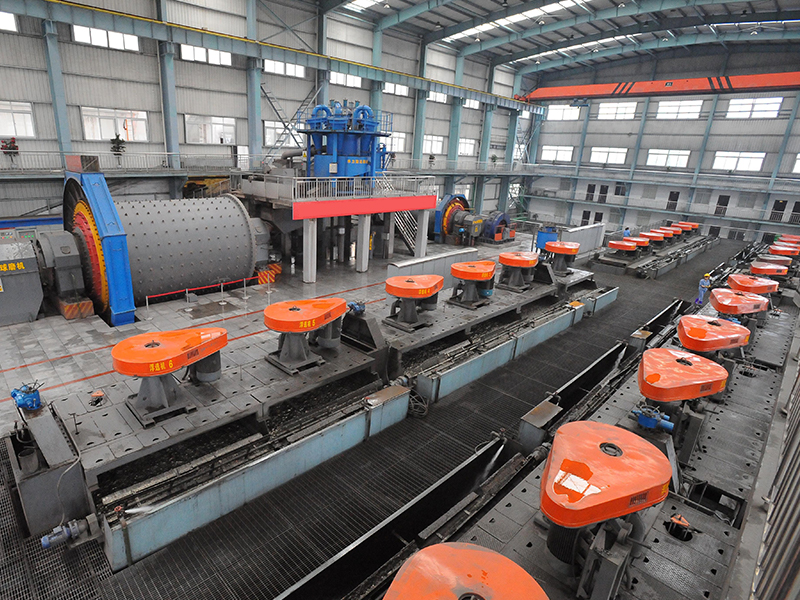
I. Impact on Recovery Rate
Within a reasonable operating range, a relatively low pulp density—characterized by a sparse suspension and fewer mineral particles—results in a lower flotation recovery rate; as the pulp density is gradually increased, the recovery rate rises correspondingly.
Conversely, when the pulp density becomes excessively high, proper aeration within the flotation machine becomes difficult, and bubble generation is inhibited; this adverse effect ultimately causes the recovery rate to decline.
II. Impact on Concentrate Grade
Pulp density and concentrate grade exhibit a negative correlation: flotation conducted with a dilute pulp generally yields a higher concentrate grade. As the pulp density increases, impurities are more prone to being entrained and carried upward during flotation, resulting in a subsequent decrease in the concentrate grade.
III. Impact on Reagent Consumption
The higher the pulp density, the greater the total quantity of flotation reagents required. Conversely, when the pulp density is more dilute, the specific reagent dosage required per unit volume of pulp also tends to increase.
IV. Impact on Coarse-Particle Flotation
Increasing the pulp density enhances the suspension capacity of the pulp, thereby increasing the probability of collision and attachment between coarse mineral particles and air bubbles. This optimization improves the flotation separation efficiency for coarse-grained minerals.
V. Impact on Fine-Particle Flotation
Excessively high pulp density leads to increased pulp viscosity; this heightened viscosity promotes mutual entrainment and agglomeration between fine-grained valuable minerals and fine-grained gangue impurities, ultimately resulting in a reduction in the concentrate grade.
Conversely, reducing the pulp density mitigates the negative effects associated with the intermingling and agglomeration of fine particles, thereby facilitating an improvement in the quality of the fine-grained concentrate.
chat online
Phone
24-Hour Hotline
Inquire Now

TOP